
Market Positioning: The Game Between a Supermarket and a Boutique
The competition between Meituan Delivery and JD Takeaway is essentially a confrontation between two distinct business logics. Meituan Delivery is like a "supermarket", covering almost all local lifestyle services ranging from street snacks and chain restaurants to fresh produce and daily necessities. This "comprehensive and all-inclusive" strategy enables users to meet their diverse needs on a single platform. JD Takeaway is more like a "boutique". It selects brands with physical stores, emphasizes food safety and delivery speed, and attracts mid-to-high-end users through a "focused and refined" strategy. Such differences have formed a striking contrast among users: Meituan users pay more attention to cost-performance and diverse choices, while JD users value quality and efficiency more.
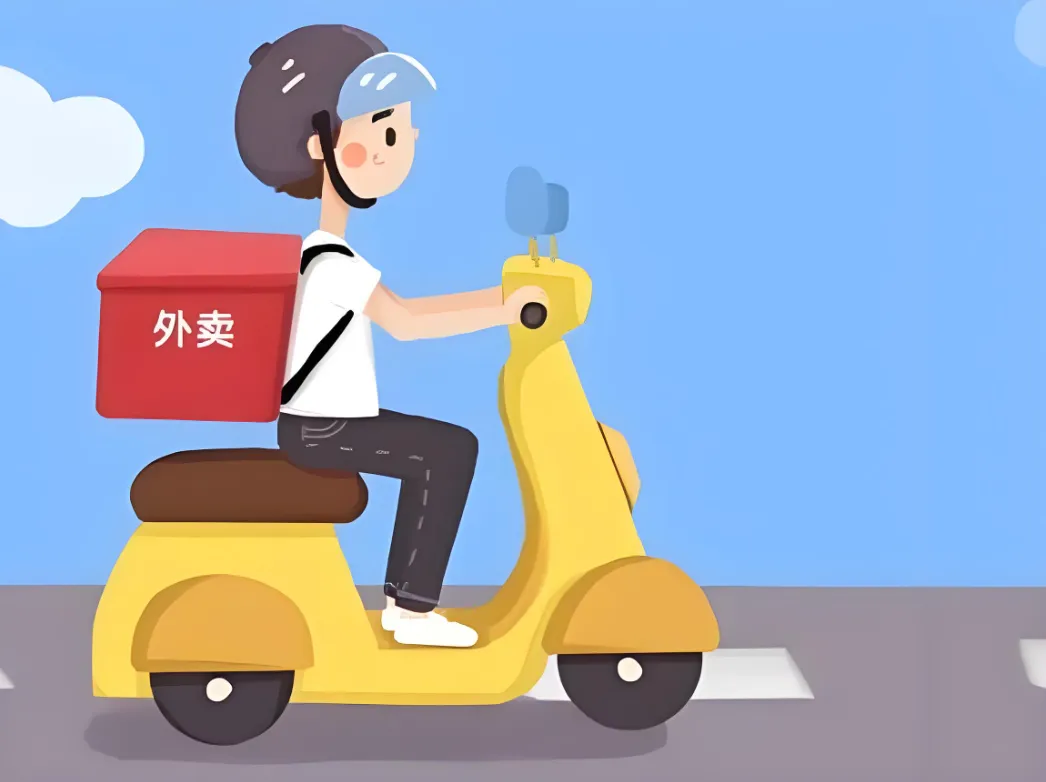
Meituan's rider network is one of its core competitive strengths. Through the crowdsourcing model, Meituan has integrated millions of riders to form a massive delivery network. This model boasts high flexibility and low costs, but it also gives rise to the issue of insufficient protection for riders' rights and interests. Most Meituan riders lack social security, and systems such as fines for delayed deliveries force them to work under immense pressure.
JD Delivery adopts a full-time rider model, paying the five social insurances and one housing fund for its riders and providing benefits including high-temperature subsidies and night-shift allowances. Although JD has fewer riders, its service quality is relatively stable. Such differences reflect the two companies' distinct understandings of riders' value: Meituan pursues economies of scale, while JD focuses on the long-term retention of riders and service quality.
In this showdown, battery swap cabinets for riders' electric vehicle lithium batteries have become a crucial infrastructure. The traditional charging method requires riders to spend a great deal of time waiting for batteries to fully charge, which not only affects their order acceptance efficiency but also poses potential safety hazards. The emergence of battery swap cabinets has completely changed this situation. Riders only need to place their depleted batteries into the cabinet, and the system will automatically identify them and release fully charged ones— the entire process takes merely a few seconds.
This model not only saves charging time but also monitors battery status in real-time through an intelligent management system, eliminating safety risks such as overcharging and short circuits. For both Meituan and JD, the layout of battery swap cabinets directly impacts riders' endurance and delivery efficiency. Meituan has deployed these cabinets in business districts and residential communities of major cities through cooperation with third parties. In contrast, JD relies on its own logistics network to integrate battery swap cabinets with its warehousing system, further optimizing delivery routes. The widespread use of battery swap cabinets is reshaping the competitive landscape of the food delivery industry.
Meituan's competitive moat lies in its extensive ecological system. By virtue of its business matrix encompassing "food delivery + in-store services + hotels and travel + flash sales", Meituan has built a closed loop for high-frequency consumption. After placing a food delivery order, users may make in-store purchases via Meituan's group-buying service or buy daily necessities through Meituan Flash Sales. This synergistic effect has strengthened user stickiness.
JD has broken this barrier through supply chain collaboration. JD Delivery links up with businesses such as JD Daojia and 7Fresh. When placing food delivery orders, users can simultaneously buy fresh produce, home appliances and other goods, all delivered by the same rider. This "instant retail" model not only improves delivery efficiency but also integrates food delivery with e-commerce, creating a new growth driver.
The competition between Meituan and JD is essentially a game between efficiency and rights. By virtue of algorithm optimization and economies of scale, Meituan has achieved low-cost and high-efficiency delivery, yet it has also faced controversies over rider rights and commission rates charged to merchants. JD, through its high-cost full-time employment model and low commission strategy, is promoting the standardized development of the industry, but its long-term profitability remains questionable.
In the future, with the popularization of infrastructure such as battery swap cabinets and technological advancements, the food delivery industry is likely to witness the following trends: enhanced protection of riders' rights and interests, restructuring of the merchant ecosystem, greater transparency in commission rates, and an expected recovery in profit margins for small and medium-sized merchants. This showdown is not only a contest between the two companies but also probably an epitome of the transformation and upgrading of the entire food delivery industry.

18926572469
18926572469
Add me on WeChat for consultation

Zhixun official account
Zhixun Battery Replacement Cabinet