
Since the revised mandatory national standards for electric bicycles came into effect on November 1, first, they restrict the proportion of plastic components used, and second, they clarify that electric bicycle controllers, batteries, and chargers must have mutual recognition and coordination functions, making technical tampering more difficult. At the same time, electric bicycles that do not comply with the new standards will not be allowed to be produced, sold, or registered for licensing. So, how has the Shanghai electric bicycle market fared since the implementation of the new regulations? Reporters visited several specialty stores to find out.
The new regulations officially implemented from November 1 have reinforced the requirement that the maximum designed speed of electric bicycles must not exceed 25 kilometers per hour, with technical measures strictly preventing tampering. Over half a month later, a journalist visited more than ten electric bicycle sales outlets and found only one selling new models compliant with the national standards, and the price was not cheap. "8,899 yuan—it’s more expensive because it’s made of aluminum alloy." The models sold by other merchants are still older versions, and most of them exceed the speed limit. "Normally, 30 to 40 kilometers per hour." "The master edition has a speed of 70 kilometers per hour," sales staff informed.
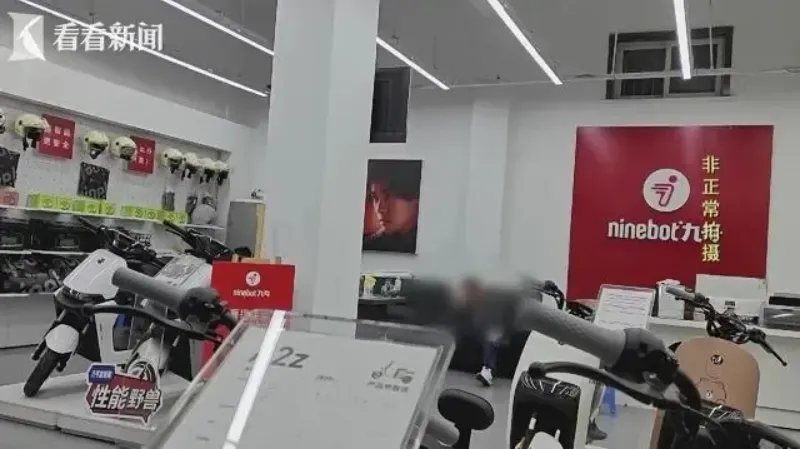
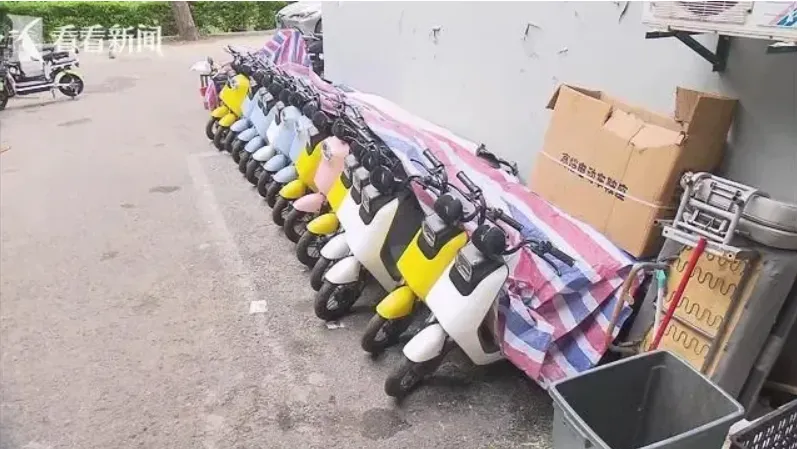
According to the requirements, as the new national standards take effect, electric bicycles that do not comply with the new regulations are prohibited from being produced, sold, and will not be registered or licensed. In response, stores have adopted various strategies. Some electric bicycles are tagged with notes stating "awaiting recall," but if customers inquire, staff will inform them that the bikes are still available for purchase. Many store owners also assure buyers that licensing issues have been arranged and there is no need to worry. "We have the license plates ready—we registered them on October 30th and 31st. You just need to send us a photo of your ID." "Some bikes already have license plates. We can simply transfer the ownership for you."
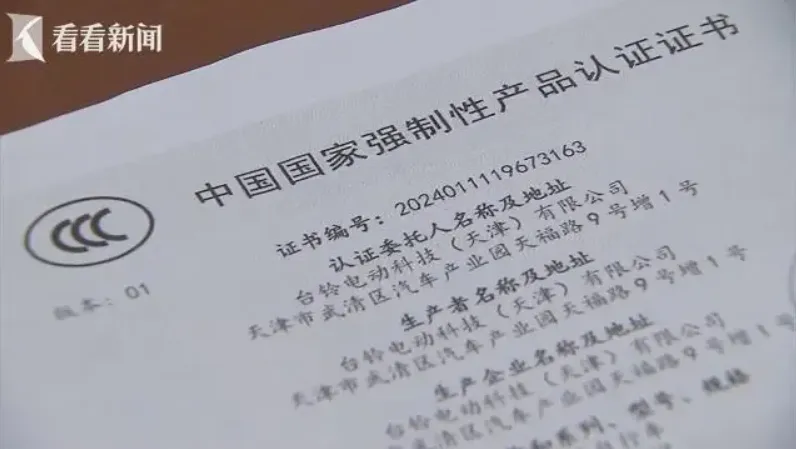
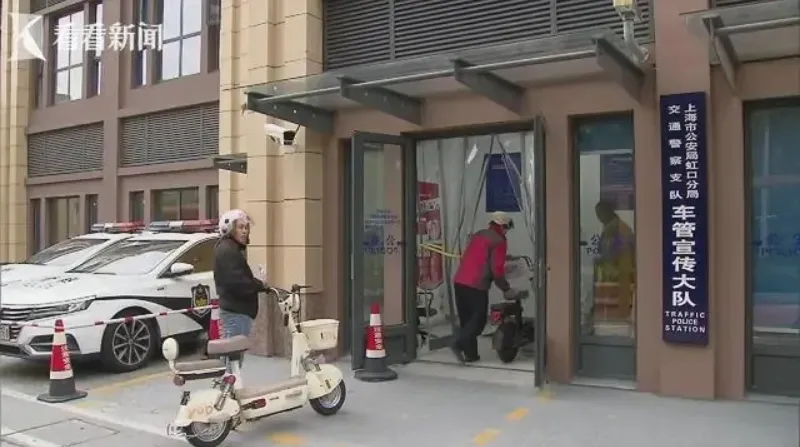
Reporters learned from the traffic police department that around late October, a batch of electric bicycles indeed underwent centralized license plate registration. Starting from November 1, during the registration process, in addition to verifying the actual vehicle speed, inspecting battery specifications, and checking tire specifications, valid certification certificates, real-name invoices, and electric bicycle product qualification certificates are also required for verification. Vehicles sold after November 1 without valid certification certificates will not be eligible for license plate registration. Currently, it appears that the number of vehicles registering for plates this month has indeed been relatively low. Chen Yi, a police officer from the Vehicle Management and Publicity Brigade of the Hongkou Traffic Police Division, explained: "This aspect differs somewhat from before. Now, emphasis is placed on valid mandatory product certification certificates. If the certificate is invalid, registration and plate issuance will not proceed. At the same time, we forward such cases to market regulatory authorities."
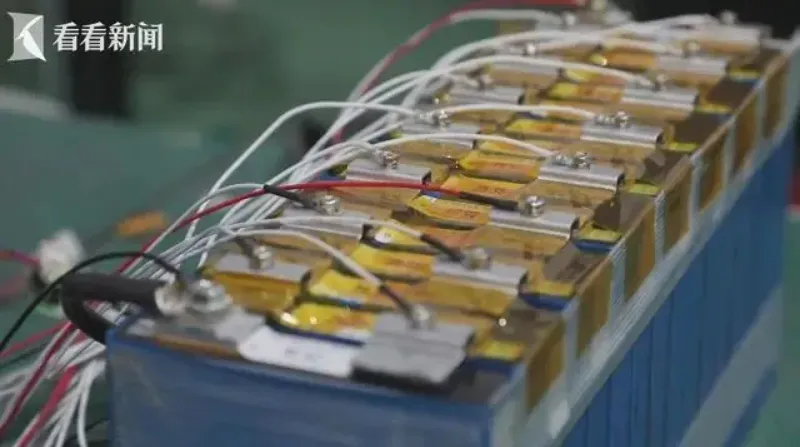
Why, even half a month after the new national standards have taken effect, are merchants still willing to take risks by selling older models instead of stocking new ones? The new national standards for electric bicycles mention that to prevent illegal modifications, it is specified that controllers, batteries, and chargers must have mutual recognition and coordination functions, while also adding BeiDou positioning. Sales personnel explain that if the positioning system is removed, the vehicle may not start. A salesperson for a certain brand of electric bicycles privately stated: "If the positioning is removed, the vehicle might not run. For example, if the positioning on a Niu scooter is removed, it won’t run. Who would buy something that can’t be sold? Since older models are still available, why should I stock new ones?" Many sales outlets also mentioned that, in fact, manufacturers are still producing models from the previous national standards during this transitional phase, so they are temporarily not considering stocking new models.
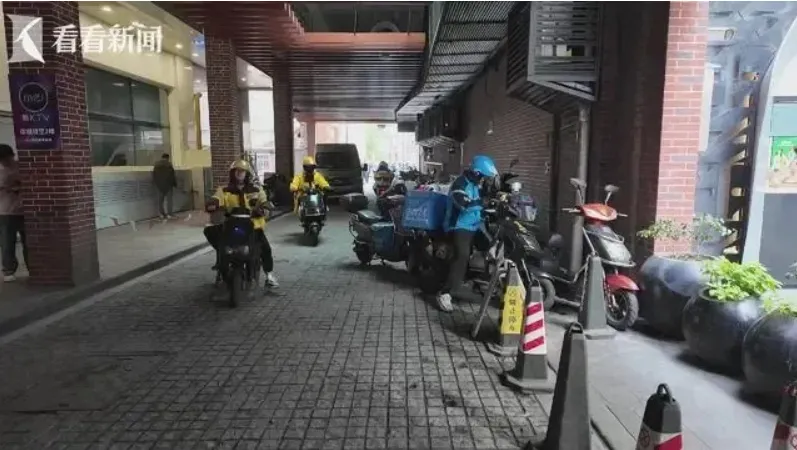
The introduction of the new national standards has a very clear purpose: "safety" is the primary consideration—reducing the risk of modifications and minimizing the dangers posed by these vehicles traveling at high speeds in non-motorized lanes. However, from a convenience perspective, some consumers always hope for higher speeds and greater load capacity. For example, delivery riders face tight time constraints for deliveries. "Even 50 to 60 kilometers per hour isn’t fast enough because the platform imposes strict time limits." More residents, however, believe that speed limits are indeed necessary: "Nowadays, bicycles and electric bikes share the same lane, which can lead to some quite dangerous situations."
For the new national standards to be truly and effectively implemented, strict enforcement must start from the manufacturing source, while supervision and spot checks must be strengthened at every stage. Only then can the principle of "safety first" be genuinely put into practice. In this regard, Chen Xiaohong, a professor at the Urban Transportation Institute of Tongji University, pointed out: "Speed limits are the most fundamental requirement for ensuring safety. Currently, non-motorized lanes accommodate both power-assisted vehicles and ordinary bicycles. From a safety perspective, the riding safety of both types of two-wheeled vehicles must be taken into account. When discussing any issue, safety comes first. Existing laws and regulations must effectively constrain everyone’s behavior." In the long run, ensuring the safe use of electric bicycles may require not only "blocking" but also "channeling." How can we ensure the safe use of vehicles while also scientifically and reasonably meeting the practical production needs of the broadest population? The subsequent implementation of the new national standards is also worthy of continued study and attention. Reprinted from the Shanghai Bicycle Industry Association.

18926572469
18926572469

Add me on WeChat for consultation

Zhixun official account
Zhixun Battery Replacement Cabinet